Mika Fans is in no way affiliated with Mika or with his family or Universal Music. We have no contact with him whatsoever. All content is copyrighted to MikaFans.net, unless otherwise stated. Read our host's Privacy Policy and DMCA. If you feel any content found on this website infringes your copyright, please email the staff..
CEO, Zack Rosen Industries (ZackRosenIndustries.com)
GET UPDATES FROM Zack Rosen
Like
5
The Nowhere Boy: Mika Finds Confidence in Coming Out
Posted: 04/18/2013 5:50 pm
Read more
Mika Gay , Mika Grace Kelly , Mika Heroes , Mika Life In Cartoon Motion , Mika Nowhere Boy , Mika Origin Of Love , Mika The Boy Who Knew Too Much , Mika The Nowhere Boy , Mika Coming Out , Mika Interview , Mika Sexual Orientation , Mika , Mika Sexuality , Gay Voices News
share this story
87
40
2
Submit this story
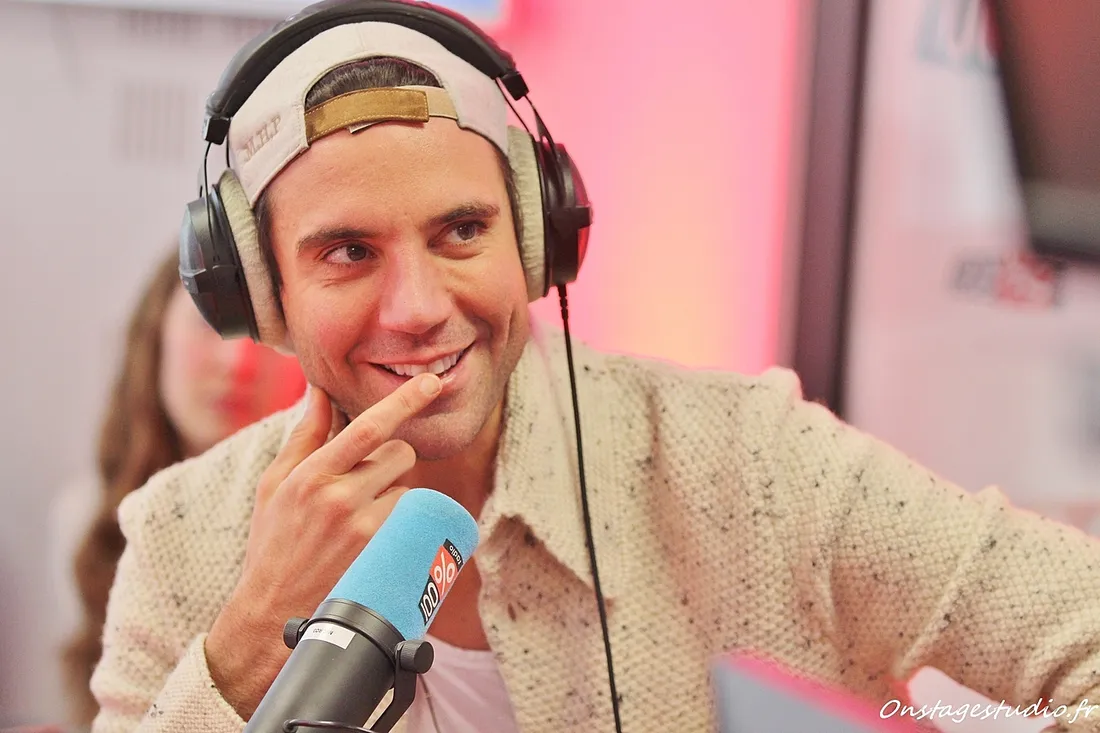
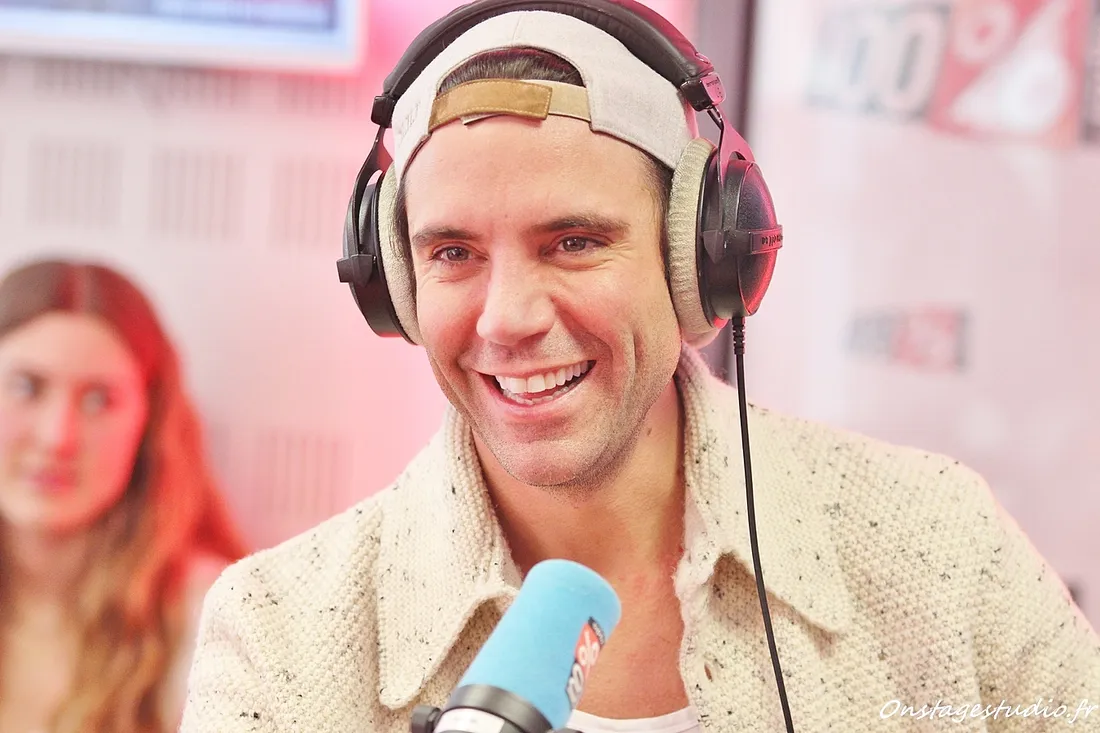
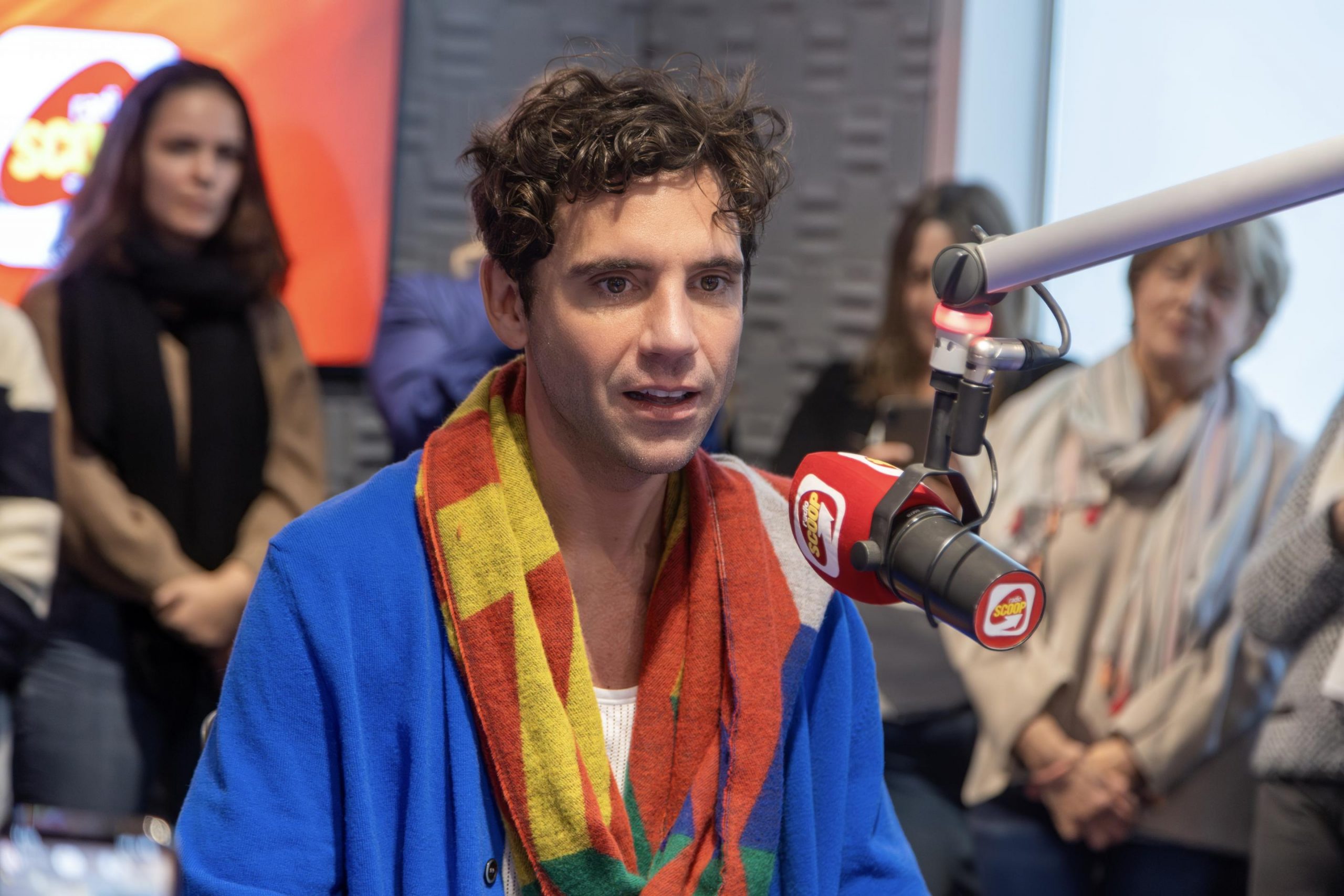
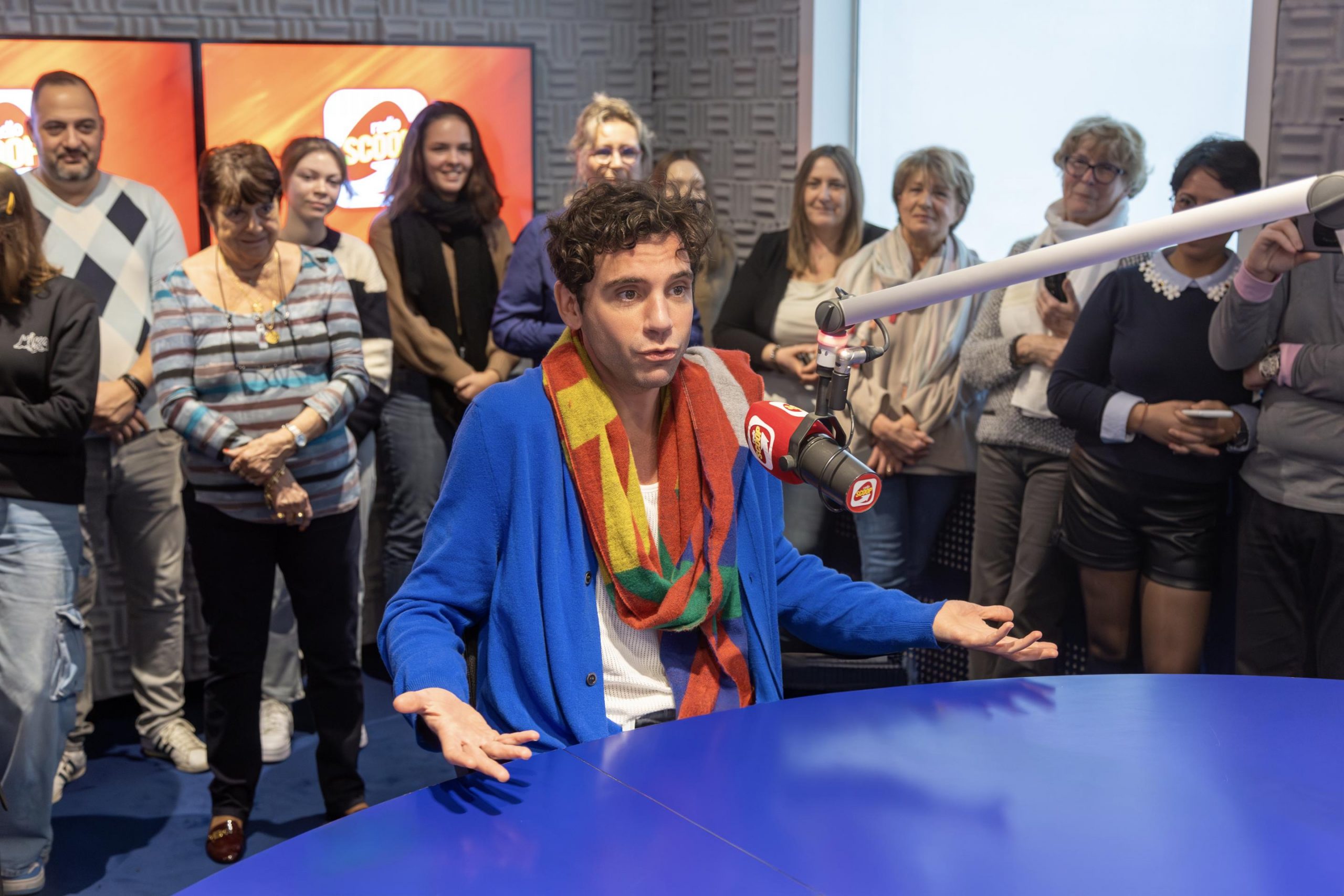
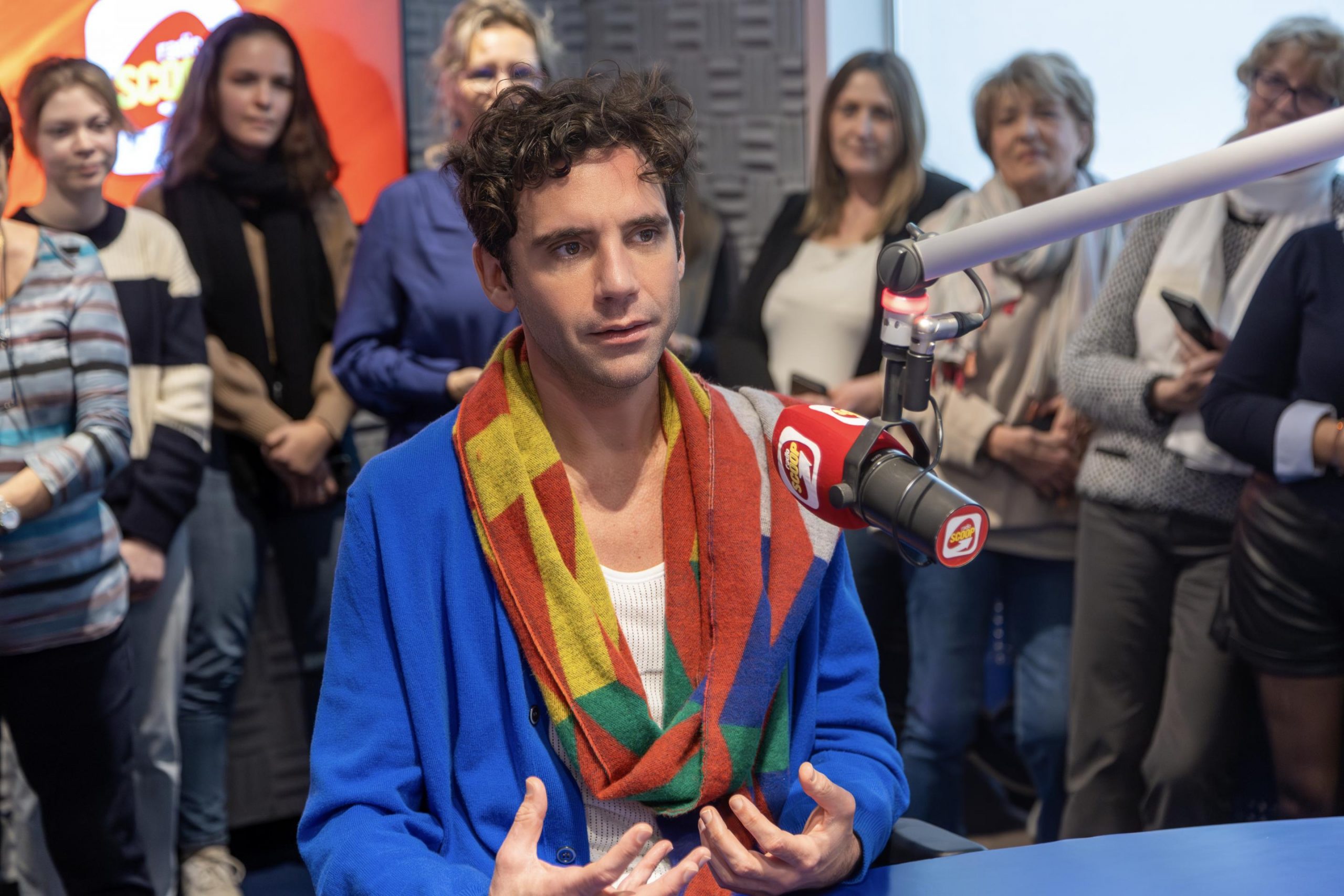
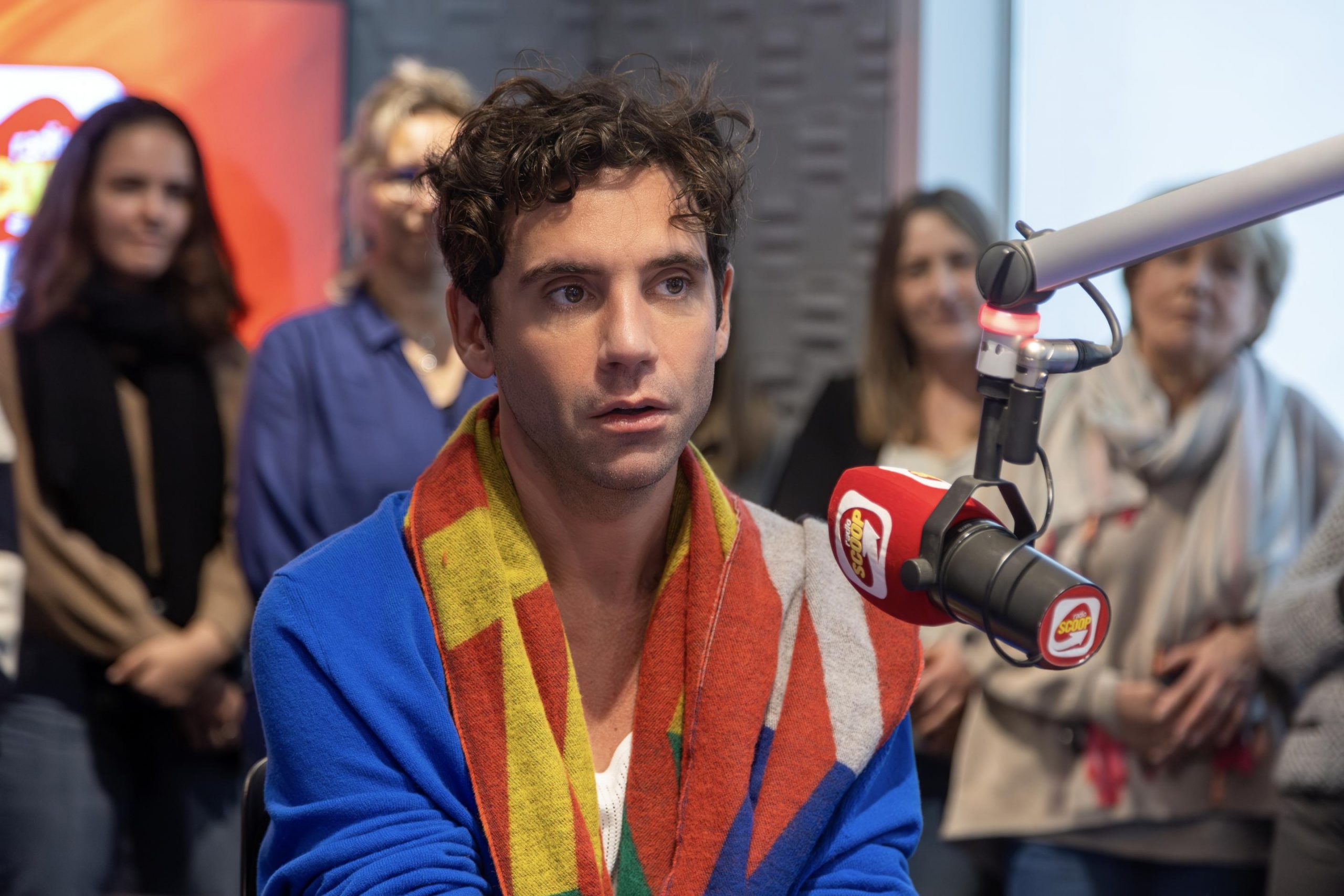
2013-04-18-MikaSHOT1_025.jpgGay pop superstar Mika blasted out of the gates in 2007 with the indelible mission statement “Grace Kelly” and a Swiss-cheese view from inside the closet. Six years later he is firmly out and boasting a new elevator pitch in the title track of last year’s Origin of Love.
Where “Kelly” traded in to-the-rafters choruses and obfuscating winks toward identity politics, “Love” cuts the theatrics and trusts its universal metaphor of “attraction is addiction” as a solid emotional lead-in to an album of intellectual pop love songs.
Where Mika was once a jumbo pack of sour-centered bubblegum, he’s now a candy befitting his upcoming 30th birthday — say, a vegan gummybear at the bottom of a kombucha bottle: sweet, sustainable, effervescent and with an unexpected resonance. The singer recently completed a small U.S. tour, including Washington, D.C.’s ultra-polite 6th and I Synagogue, further proving that a pop star can change his stripes.
This interview was done over the phone on April 5, 2013.
Zack Rosen: Is it safe to say you’ve grown up a little since you first released Life in Cartoon Motion in 2007?
Mika: I do most of my growing up on my record. As I move on, as I develop my songwriting, and as my life evolves, it’s always going to be captured in the records. I like to stay true to myself and not buy a different persona. Strangely, I feel that I become increasingly reclusive in my normal life and more open and candid in my music.
Rosen: Your second album, The Boy Who Knew Too Much, seemed really nervy and jagged. It sounded to me like someone backing down.
Mika: The second album is part two of the first. The first is pinks and greens, and the second is a similar layout but in blue and purple. They were bookending each other. This new one, The Origin of Love, is a different thing. It’s like a new movie.
Rosen: How do you feel about your first single, “Grace Kelly,” six years out?
Mika: I feel exactly the same about it. It was a perfect representation of me as a 23-year-old. Because they are my songs and born from real life, they represent something real, not songwriter purchases. It helps them age gracefully. This whole thing about turning 30, everyone keeps haranguing me about it. I say I have a midlife crisis every time I start and finish a record.
Rosen: Are you still “identity mad”?
Mika: I have no idea who I am. I’m “The Nowhere Boy.” I was brought up in many different cultures, moving around all the time, and I find my identity in my songs. I project the identity I want to have throughout the songs that I write. Identity for me is something that has to be played with and explored, and not become complacent about or uninterested in.
Rosen: Did coming out free you to expand who you are as a musician?
Mika: There was a de-complexing that happened in my life. I got to a point where I’m really happy. Not on a daily basis; I don’t skip to the coffee shop. I’m not that kind of person. I was happy with the freedom I had to write what I write. It got to the stage where I said, “I’ve earned this myself.” I’ve been given lots of guidance and help in getting to the stage where I’m comfortable in my skin, not hating my surroundings or feeling powerless, so I’m writing the songs that recognize that.
Rosen: Who gave you guidance?
Mika: I had a teacher at school who basically made it his mission to always get me out of trouble. He was the librarian at my school, a very eccentric Englishman who moved to Australia and lives in Scotland, I believe. He saw I was having trouble conforming not only with stuff like making friends but in my work. I was having a tough time keeping up with this tough academic school. He made up a sport for me that got me off school two afternoons a week. He used to pretend I was working in the library, but then he would book me a music room, and I’d write songs and show him the stuff I was making. He gave me space to not conform, and get away with it.
Rosen: What’s his name? He might like to know that you remember him.
Mika: Hugh Eveleigh, the former librarian at Westminster School. He was amazing. There’s people who look out for oddity, and instead of punishing it, they help it, and so many people have done that along the way for me. I guess what I’m saying is that all of that has to do with tolerance, being able to look at life in a slightly different way and be allowed to do so.
[We get sidetracked talking about the nature of celebrity. Mika checks back in with this:]
Mika: I did a show last night in Philly at the Union Transfer. Someone was smoking the most nasty chronic pot in the front row, and all the smoke was coming on stage. Normally that doesn’t bother me, but this was so chemically enhanced, and it blocked my brain, and I couldn’t remember any of my lyrics and couldn’t keep time on my piano. Only the front section understood what was happening. I was singing my song “Popular,” and I stopped it three times. I got to the second verse three times and forgot what was supposed to happen next. I felt like I was 14 on a camping trip, smoking for the first time. Whoever was smoking that shit needs to sort themselves out.
Rosen: What’s your favorite song on Origin of Love?
Mika: A song that no one knows, “Heroes.” It’s based on an A. E. Housman poem called “The Lads and Their Hundreds to Ludlow Come Into the Fair,” from the First World War. Most of a generation of young men were wiped out in the UK. Housman describes these men and how almost all of them will never come back, will die in their glory and never return. I was reading an article about the Army recruitment process in America, how so many people are being recruited from other countries at 19 years old in exchange for security and education and money for their families. They have no idea about the history or geography of the country, fighting a war they don’t understand. I reinterpreted this Housman poem; I tried to make a modern version of it and put it on a pop record. The idea of the album is that it’s a collection of love songs. Happy, bitter. Love songs about religion, about sexuality, about a mother and her son, one like this about a soldier that you’ve never met. Lyrically, I like that.
My maternal Grandfather left Damascus, at the age of 15, with his possessions on the back of a donkey and ended up at Ellis Island. In the United States he built his new life and his business. My paternal Grandfather left his Atlanta Georgia roots and his Ivy League education to make his life as a US diplomat carving out groundbreaking deals in the middle east. Twenty years and a lot of countries later, my parents meet waiting to cross the street on 5th Avenue. After only a week, they get engaged. Shortly after the birth of my oldest sister, they move to France and then to Lebanon, where I was born.
From the outset, my mother had decided that her children would not be raised in America. She felt that the country she had loved so much growing up, had changed. Its emphasis on wealth and competition did not appeal to her. Yet, despite never having lived in the US, my siblings and I have always held America as a major part of our identity. Our vision of the States and our family city, New York, was not shared by any of our classmates. Growing up in Europe, there was a lot of racism towards the US. American’s were “fat and stupid” or “rich and mean”. It is clear to me now, that things have changed. That anti Americanism seems to be softening in Europe. Why are so many of my classmates, who spent their time mocking Americans, now waiting for visa applications to move over there? Could it be that the US is more likeable than its ever been for my generation?
The US has been humbled. Eleven years of military engagement in two countries has knocked its confidence and forced it to reconsider its position as “defender of the free world”. At the same time, domestically, it has suffered from the worst finical crisis in generations, which has seen people thrown out of their homes and loosing their jobs, whilst in stark contrast, China has grown from strength to strength. It seems to me that America is viewed as being as messed up as the rest of the world, if not more so, and thus is not seen as intimidating as it once was. With a less arrogant image, people in Europe are able to focus more on what is good about the US. It is almost as if, the world has found a new country to pick on, China.
Things appear to be picking up in the US economy – unemployment is dropping, there are green shoots of growth and when compared to Europe this is promising. It’s estimated that America will be energy independent by 2030. This could be a turning point for US diplomacy, especially towards the Middle East.
It’s hard to view America in definitive terms anymore. In the past it was portrayed as good in a fight against an evil Soviet Union and even post 9/11 George Bush labelled America’s opponents as an “Axis of Evil”. Such characterisations appear far too simplistic to most people, and those who speak in blindingly positive terms about America are viewed as ignorant cow-boys. An equal measure of pride and being self-defacing are what is most fashionable now. Looking at film and TV, from Team America to Family Guy, the US seems to be OK with making fun of itself. It’s hard to think of any American TV shows in the 80s that ever did that. A new “Brand America” is being sold to us, whether it’s in speeches by Obama or in episodes of Homeland, as a country that can admit its blunders and is striving to make good on them. This humbled, but as a result wiser, America like a prodigal son, is being accepted by the rest of world once more. In many ways this re-branding is actually just a return to older values – the ability to adapt and improve oneself is at the core of the “American Dream”. It’s clear to me that America will look very different over the next couple of decades – for example I expect to see a Latino president within my lifetime – but if its central beliefs manage not to be clouded by arrogance again then it will continue to attract people to its shores in the same way it drew my grandfather from Syria in the 1930s.
Mika was not in love when he wrote the title track of his newest album. He just had a crush on someone. That belies the fact that “Origin of Love” is one of the most unabashedly romantic songs the British pop star has ever written, so sweet it could give you a cavity after multiple listens.
From the air I breathe, to the love I need
Everything I know
You’re the origin of love
From God above, to the one I love
Everything that’s true
The origin is you
“It was one of the first things I wrote after a year and a half of not writing,” says Mika, who plays a sold-out show at Royale on Saturday. “I wrote it in about 20 minutes. It’s delusional because it was written in a delusional state: What is the most pumped-up, kaleidoscopic, dreamy, flirtatious pop song that I could ever write for somebody I like?”
When told that if he played that song for someone he had a crush on, the person would likely flee in the other direction, Mika is so sheepish you can practically hear him smiling at the other end of the phone.
“That’s exactly what happened,” he says, stifling a giggle. “It was a complete disaster. That’s why you skip forward a couple of songs on the album, and you end up with ‘Overrated’ as a reaction to that. One second I’m saying I’m going to build churches in your name, and then the next song I’m going, ‘You’re worth nothing. This love is worth nothing.’ ”
Perhaps the lesson to be learned is, don’t mess with Mika.
“Oh, I’m quite harmless in real life,” he says, his voice soft and refined. “It’s just words, it’s just songs.”
Maybe so, but his latest album, his third full-length since the smash success of his 2007 debut, “Life in Cartoon Motion” (buoyed by the hit “Grace Kelly”), is also a testament to Mika’s penchant for couching heavy sentiments in fizzy dance-pop songs. The giddy choruses and big, bouncy beats are intentionally over the top, putting Mika in the same family as Scissor Sisters and even Queen. At 29, he’s a big believer in the idea of songwriting expressing who you’d like to be.
“I write songs to turn myself into something else. And then I become that and I want to become something else,” he says. “It’s the same way that songwriting is projection, it’s desire. Which is why I think that Rufus Wainwright album title, ‘Want,’ is one of the best album titles ever. We write love songs as fantasies of the kind of love we’d like to experience.”
Asked about an interview in which he supposedly said the new album is more simplistic and less layered than its 2009 predecessor, “The Boy Who Knew Too Much,” Mika scoffs at the suggestion.
“Oh, no, that was a misquote,” he says emphatically. “It was a misquote that Universal [his record label] put in my press release. Whoever wrote that press release probably didn’t listen to the record. It’s completely layered, it’s crazy dense.
“But there is something in that. There’s less deflection and mirrors, less hiding behind comic-book and cartoon characters and more use of the first person,” he allows, referring to the playful artwork that accompanied his first two albums. “Now there’s a candidness in the writing, which I felt was needed. But musically it’s not less layered.”
If anything it’s relentlessly upbeat, flush with electro-pop melodies and Mika’s glorious falsetto croon. Born in Beirut and raised mostly in London, Mika says he grew up looking to music as a source of salvation.
“It didn’t have to have a stomping beat, but it had to give me that feeling of power, because I lacked so much of it,” he says. “I fell in love with melody because it was transformative. I looked at music as something uplifting, that broke down the barrier between me and the person in front of me. There was something quite humanizing and unifying about it.”
To that end, “The Origin of Love” has a handful of songs meant to empower. “Emily, are you stuck up or are you gay?/ If you are, then that’s OK/ ’Cause it doesn’t even matter, Emily/ Emily, it’s your life and you can’t live it twice,” he sings on “Emily.”
Mika also has a wicked sense of humor. On “Love You When I’m Drunk,” he comes to grips with the truth about his beloved. “When I get a little more sober/ I know I’ll be over you.” (“Slightly tipsy,” he says of his mindset when he wrote the song.)
“The best way to make the most serious point in the world,” he says, “is to be as unserious as possible.”